Hidden stories #10
23 November 2025
A peek into our library collection
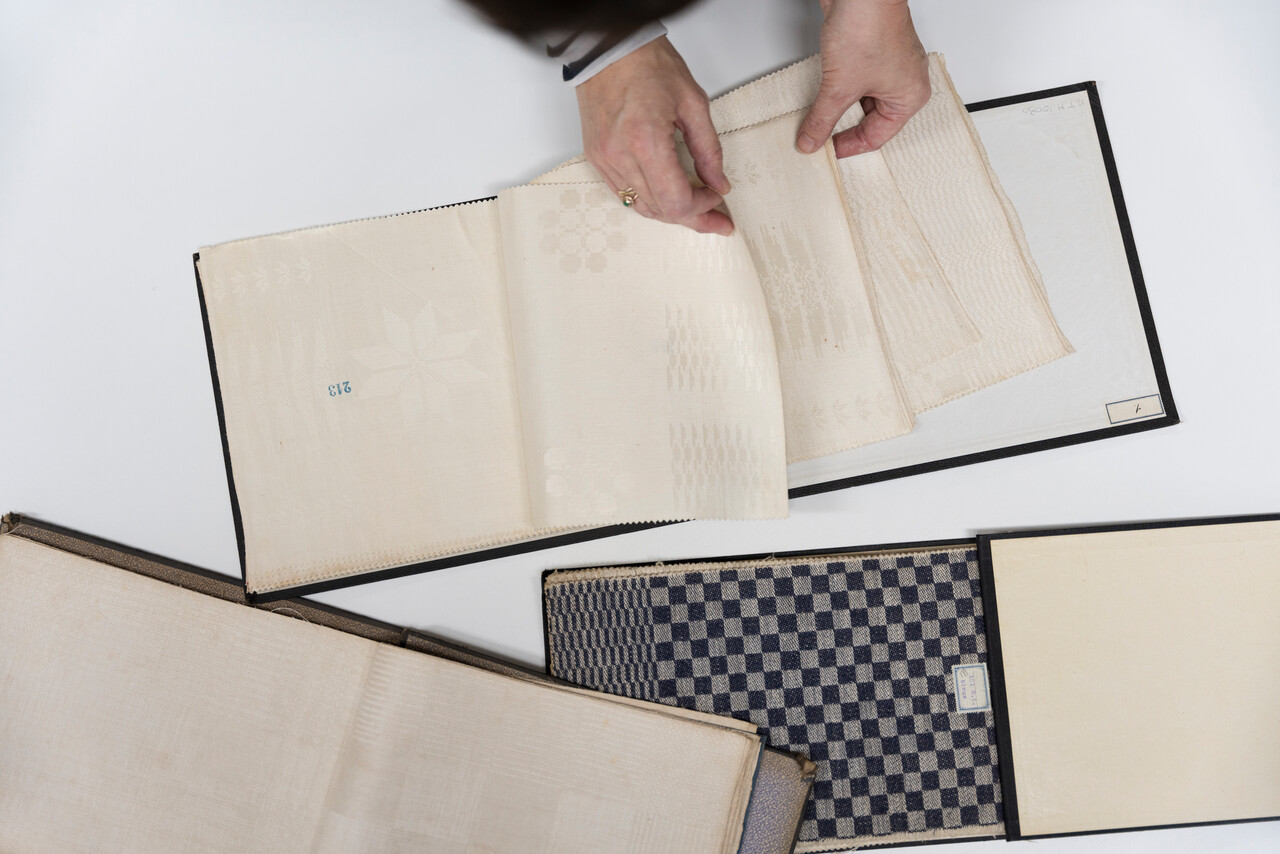
Librarian Jantiene van Elk has been fascinated by sample books for a long time. These books, filled with textile samples, often contain very little written information. But what kind of information do they hold? During a meeting with fellow collection managers from the Netherlands and Belgium, we explored various Flemish and Dutch sample book collections—and discovered their great potential for research, inspiration, and knowledge.

Photo by Patty van den Elshout i.o.v. TextielMuseum
So Many Sample Books
Sample books were made in the factory. Often, a textile factory had a special sample room for this. In the books, small pieces of textile in different colors, textures, and patterns were (and still are) collected. Sometimes there’s a number next to them or handwritten notes. Usually, there isn’t much extra information. The little piece of textile is what it’s all about. Across Europe, textile companies created sample books. These books were made to sell textiles to customers, to document the factory’s production, and to preserve technical data. Today, they are preserved in museum, archive, and library collections.
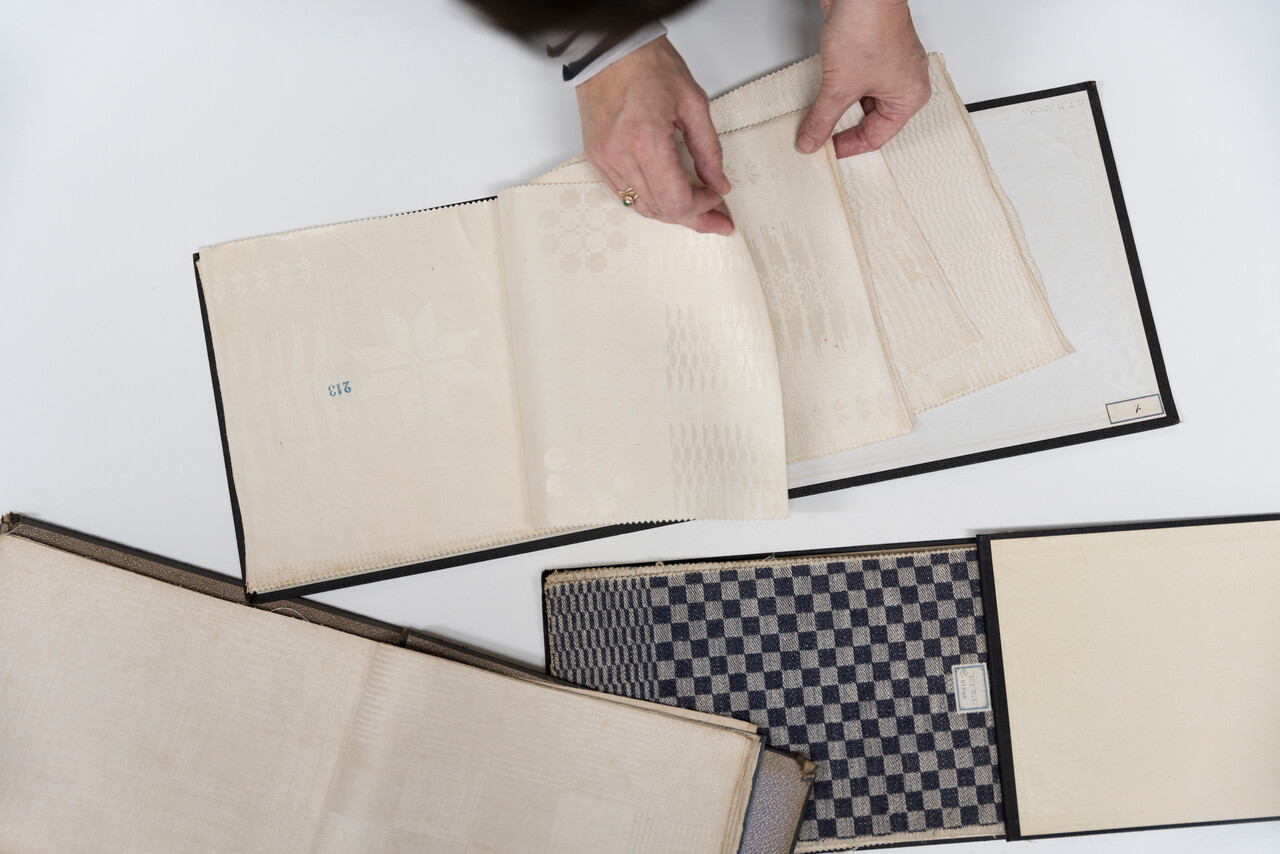
Photo by Patty van den Elshout i.o.v. TextielMuseum
Well Hidden
In those collections, sample books are often well hidden. They are not studied very frequently. In many cases, they are only briefly described in the collection database or library catalog. There is little overview of where sample book collections can be found. That’s why ETWIE, the expert center for technical, scientific and industrial heritage, has started research into sample books in Flanders and Brussels. But this topic is also very much alive in the Netherlands!
For that reason, ETWIE and the TextielMuseum decided to organize a peer group: a gathering with colleagues from the heritage field. On June 19, 2025, we met at the TextielMuseum. We discussed three collections from Flanders and three from the Netherlands. In the afternoon, we exchanged knowledge about preservation, registration, digitization, valuation, research, and access.
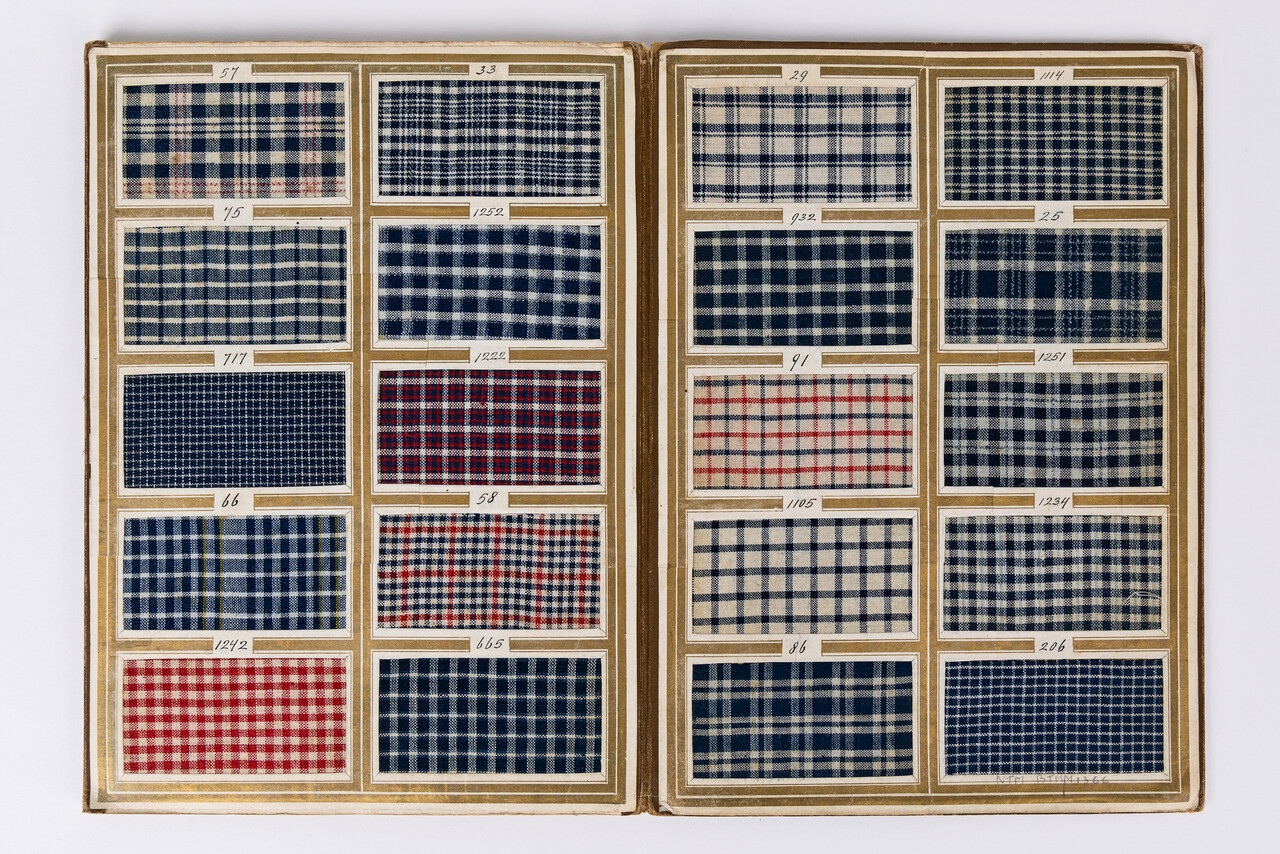
Photo by Josefina Eikenaar on behalf of TextielMuseum
Some Conclusions
Sample books are meant to be studied, but how we handle them depends on their fragility, uniqueness, and the purpose of use. Unique or fragile books are best handled in a limited way, with clear handling guidelines. Digital access makes the books more widely available, even to people around the world. Physical contact, however, remains very valuable, because texture and color in textiles tell so much more than a digital image ever can.
Textile sample books sit at the intersection of archive, library, and object collection. Where you place the sample books depends on the collection policy, the history of the institution, and the expertise available. Most important is that the materials are preserved and well described.
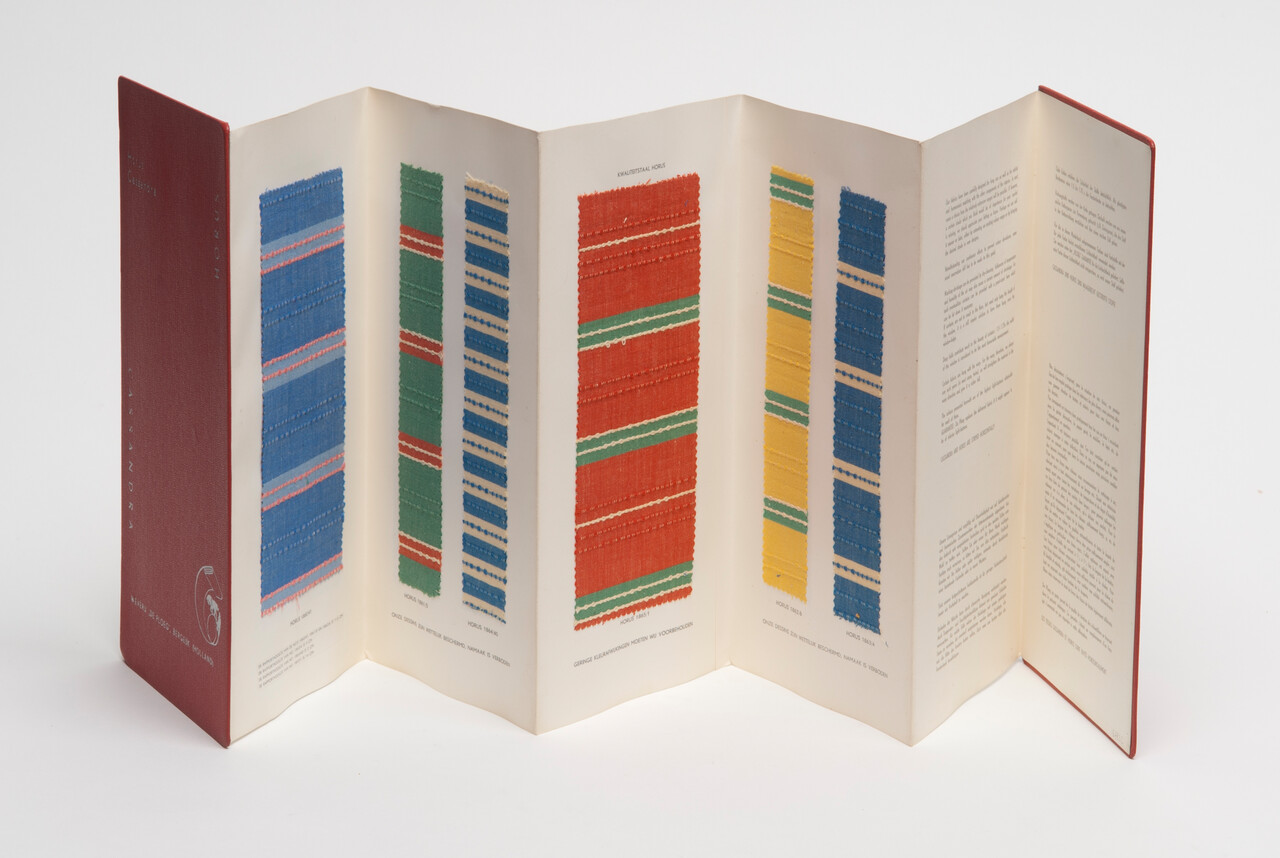
Photo by Camiel Donders on behalf of TextielMuseum
Report: Textile Sample Books
At the TextielMuseum
Back in 2010, when the new library was built, the TextielMuseum created a Sample Room. In this room, we keep a fine selection of sample books from both the museum and library collections. We see great value in studying the materiality of textiles, and sample books offer a unique opportunity for this. They tell the story of the making process—a story that is central to our museum. They are highly valuable for research. Context is key: from what kind of company do the sample books come, when were they made, with which raw materials, with which machines? Combining the Sample Room with the library is therefore a logical choice.
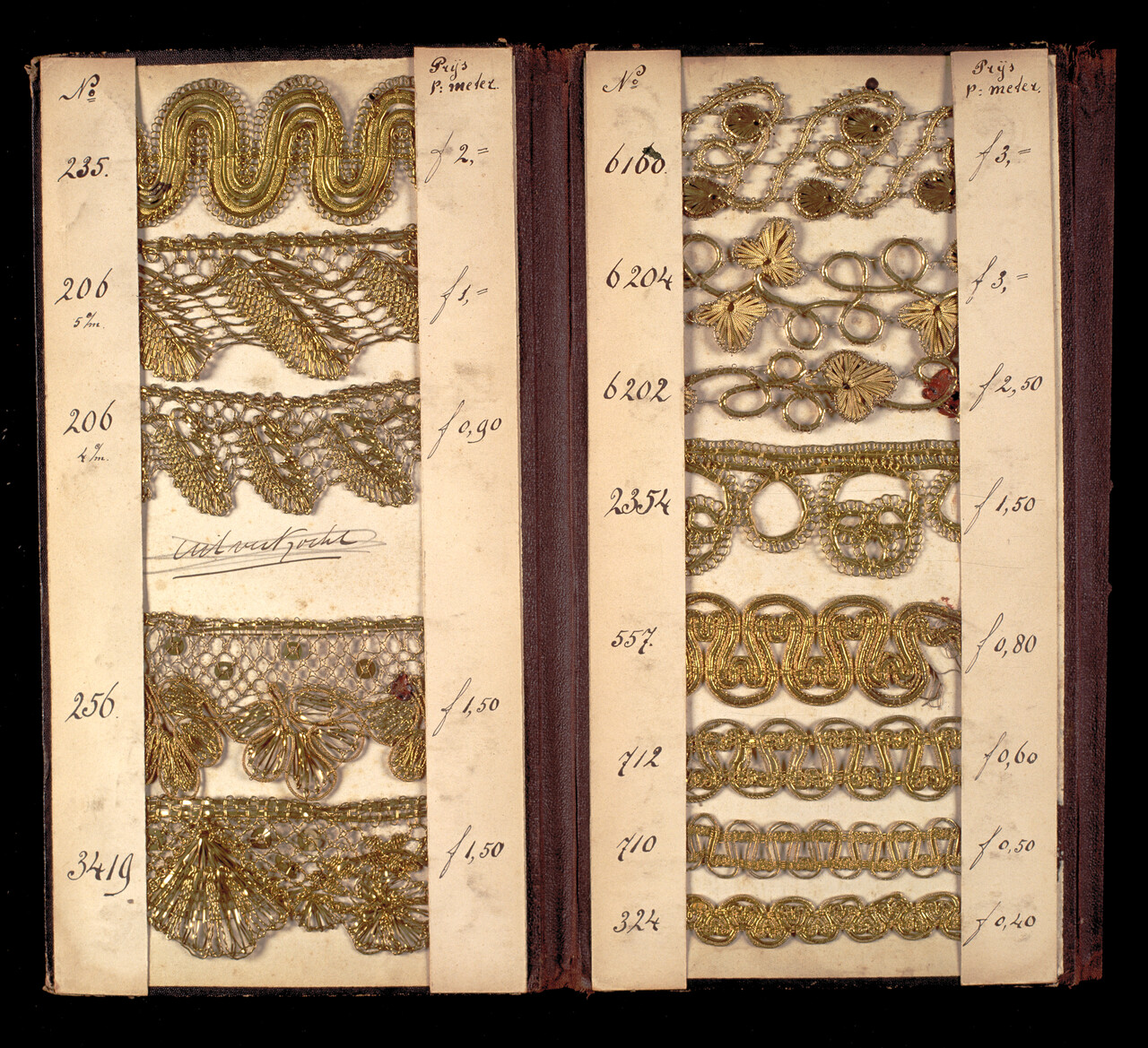
Photo TextielMuseum
From Hidden to Visible
At the TextielMuseum, Jantiene van Elk has been working for a long time to make the sample book collection more visible. In 2022, for example, she had the collection of dye recipe books digitized and, together with volunteers, carried out research on them. At the moment, we are researching the sample book collection of the Leidsche Katoenmaatschappij (Leiden Cotton Company).
What’s Next
ETWIE and the TextielMuseum are considering a publication, a study day, and possibly a public event.
If you have questions or ideas, please send a message to [email protected].
Plan your visit
Buy a ticketWritten by Jantiene van Elk, curator library at the TextielMuseum.
Would you like to see more of our museum collection or the (upcoming) exhibitions?
Share with friends